Disclosure: As an Amazon Associate, CardWise earns from qualifying purchases at no additional cost to you. This does not affect our recommendations.
HCE vs Secure Element — Where Do Your Payment Keys Live?
When Google introduced Host Card Emulation (HCE) in Android 4.4 (2013), it broke the carrier-controlled SIM SE model for NFC payment. Instead of storing payment keys on a hardware Secure Element (SIM or embedded SE), HCE lets the Android OS emulate an ISO 7816 card in software. Apple took the opposite path: a dedicated embedded SE chip in every iPhone. This architectural fork defines the security model of mobile payments today.
This comparison examines key storage, TEE integration, cloud vs on-device provisioning, offline capability, and the security trade-offs that issuers and developers must understand.
Architectural Overview
Secure Element (SE) Model
NFC Terminal
    |
    v
NFC Controller (CLF)
    |
    v
Secure Element (hardware chip)
  - Dedicated tamper-resistant IC
  - Keys stored in hardware
  - Cryptogram generated on-chip
  - OS: Java Card + GlobalPlatform
  - Examples: Apple's embedded SE,
    SIM SE (SWP), eSE in Android
HCE Model
NFC Terminal
    |
    v
NFC Controller (CLF)
    |
    v
Android OS (Host)
  - HCE service emulates ISO 7816 card
  - Keys in Android Keystore
  - Keystore backed by TEE
    (Trusted Execution Environment)
  - Cryptogram computed in TEE
  - No dedicated payment hardware
Key Storage Comparison
| Property | Secure Element | HCE (Android) |
|---|---|---|
| Key Storage | Dedicated hardware chip (tamper-resistant) | Android Keystore (TEE-backed software) |
| Physical Attack Resistance | High — chip designed to resist DPA, fault injection | Medium — TEE isolates from rich OS but no dedicated crypto hardware |
| Side-Channel Protection | Hardware countermeasures (masking, randomization) | Depends on TEE implementation (varies by vendor) |
| Key Provisioning | via GlobalPlatform (TSM/SP TSM) | via cloud (issuer's token service) or on-device |
| Offline Payment | Yes — SE generates cryptogram without network | Limited — pre-fetched cryptograms or TEE-stored keys |
| Cost to Issuer | Higher (TSM infrastructure, SE provisioning) | Lower (cloud-based, no hardware per device) |
| Operator Dependency | SIM SE: yes (MNO controls SIM); eSE: no | No — HCE is OS-level, no operator involvement |
TEE: The Middle Ground
HCE's security relies heavily on the Trusted Execution Environment (TEE) — an isolated execution environment that runs alongside but separated from the main OS (the "rich OS"). The TEE has its own kernel, its own memory, and its own crypto engine. Payment keys in the Android Keystore are backed by the TEE, meaning they are not directly accessible to the Android OS or to apps.
Cloud HCE: Keys in the Sky
A variant of HCE stores the payment keys entirely in the cloud. At tap time, the app contacts the issuer's server, which computes the cryptogram and returns it to the phone via the internet. The phone's NFC controller then sends the cryptogram to the terminal.
| Cloud HCE Property | Implication |
|---|---|
| Keys never on device | Strongest key protection (if cloud is secure) |
| Requires internet at tap | Cannot pay offline — major limitation |
| Issuer controls all keys | No on-device provisioning complexity |
| Latency at tap | ~200–500ms for cloud round-trip |
| Use case | Low-value payments in markets with universal connectivity |
Apple's Embedded SE vs Android HCE
The Apple vs Google NFC payment architecture is the most visible embodiment of the SE vs HCE debate:
| Dimension | Apple Pay (eSE) | Google Pay (HCE) |
|---|---|---|
| SE type | Embedded SE (dedicated chip) | HCE + TEE (software + TEE) |
| Key isolation | Hardware-isolated, tamper-resistant | TEE-isolated, strong but not hardware-dedicated |
| Offline payment | Full offline support | Limited offline (cached keys) |
| Biometric binding | Secure Enclave + Face ID/Touch ID | Android Biometric API (TEE-backed) |
| Express Mode | Yes (transit, power reserve) | Limited (varies by issuer/app) |
| Issuer onboarding | via Apple's TSM (tightly controlled) | via Google Pay API (more open) |
| Openness | Closed — Apple controls the SE | Open — any issuer can integrate |
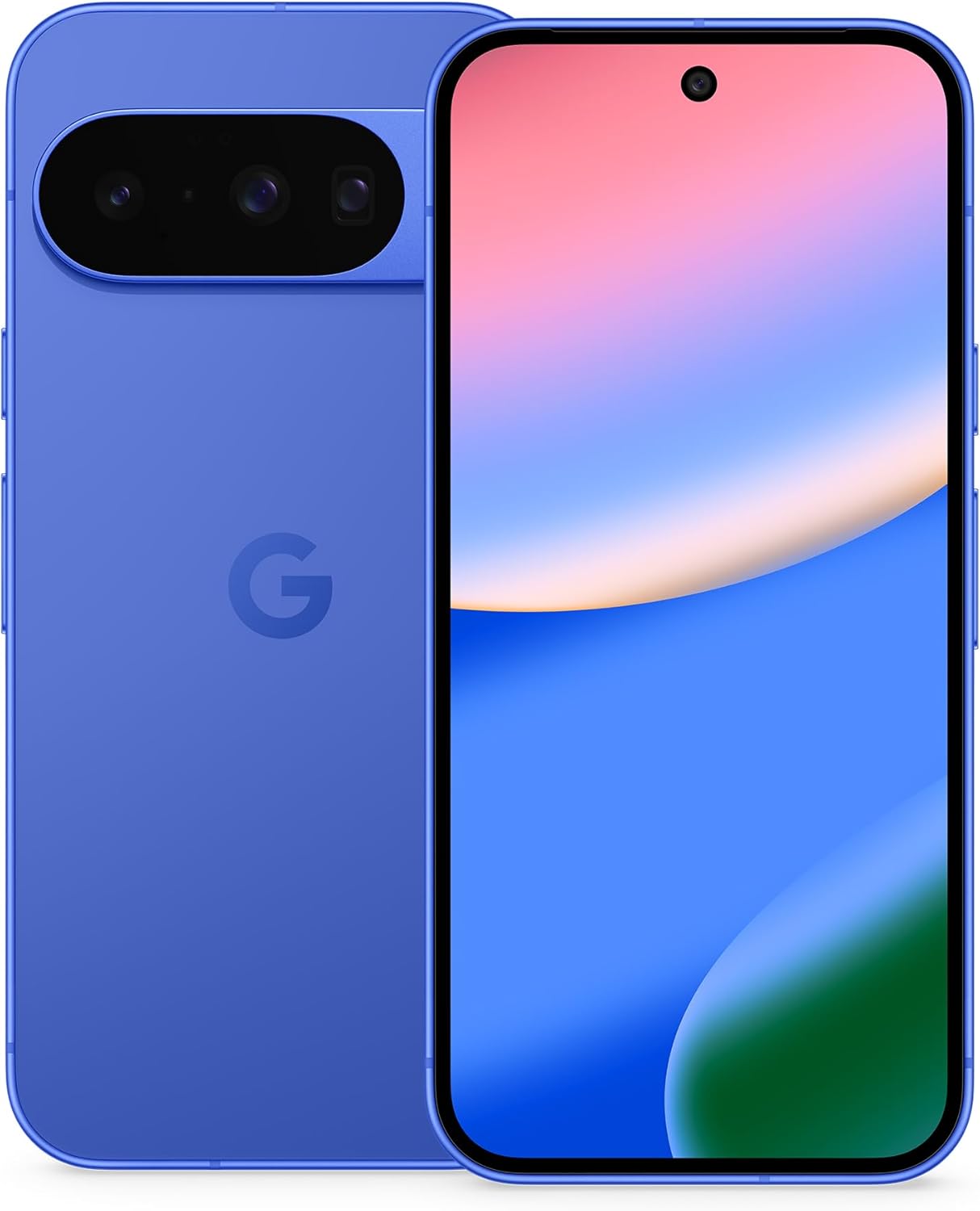 Google Pixel 10 — Titan M2 security chip with TEE-backed Android Keystore for HCE payment. The reference Android device for secure NFC via host card emulation.
— Check Price on Amazon
Google Pixel 10 — Titan M2 security chip with TEE-backed Android Keystore for HCE payment. The reference Android device for secure NFC via host card emulation.
— Check Price on Amazon
Security Threat Model Comparison
SE Threat Model
- Physical extraction: Requires lab-grade equipment (FIB, laser, decapping). SE chips are designed with DPA countermeasures, active mesh, and tamper detection. Extremely costly and difficult.
- OS compromise: Irrelevant — the SE is isolated from the phone's OS. Malware on Android/iOS cannot reach the SE.
- Supply chain: If the SE chip or its personalization is compromised during manufacturing, keys could be exposed. Mitigated by certified personalization bureaus and Common Criteria EAL5+ evaluation.
HCE Threat Model
- TEE exploit: If an attacker finds a vulnerability in the TEE OS (QSEE, Trusty, OP-TEE), they could potentially extract keys from the Keystore. TEE code is smaller than the rich OS, reducing attack surface, but it is not immune.
- Root/jailbreak: On a rooted Android device, the rich OS has more access. The TEE still protects keys, but the app's HCE service could be tampered with to intercept or redirect payment flows.
- Screen overlay attacks: A malicious app could overlay a fake payment confirmation screen. Mitigated by Android's overlay protection and secure UI (payment confirmation in a TEE-trusted UI path).
When to Choose Each
✔ Secure Element is the right choice if…
- You need maximum key protection. A dedicated SE chip provides the highest level of physical and logical key isolation.
- Offline payment is critical. SE generates cryptograms without any network dependency.
- You deploy in transit. Transit gates require sub-500ms transaction time and offline capability — SE is the only viable architecture.
- Regulatory requirements demand hardware SE. Some banking regulators (e.g., in certain EU markets) require hardware SE for high-value mobile payments.
✔ HCE is the right choice if…
- You want rapid deployment without hardware. HCE requires no SE chip and no operator coordination. An issuer can launch a mobile payment app on any Android device with NFC.
- Cost is a primary concern. No TSM infrastructure, no per-device SE provisioning — the issuer manages keys in the cloud.
- You need multi-issuer flexibility. HCE allows any bank or fintech to issue a payment app without waiting for SE slot allocation.
- Your market has universal connectivity. Cloud HCE variants work well where network coverage is near-universal.
Related Comparisons
- Apple Pay vs Google Pay — the consumer-facing manifestation of SE vs HCE
- Contactless Card vs Mobile Wallet — card-based SE vs phone-based HCE/SE
- Java Card vs SIM Card — the platform beneath the SE
- NFC vs QR Code — contactless NFC vs visual code payment
Summary
Want to simulate an NFC payment flow? Try our Contactless Activation Flow Simulator.